Regenerative Agriculture and AI: Building a Smarter, More Sustainable Food System
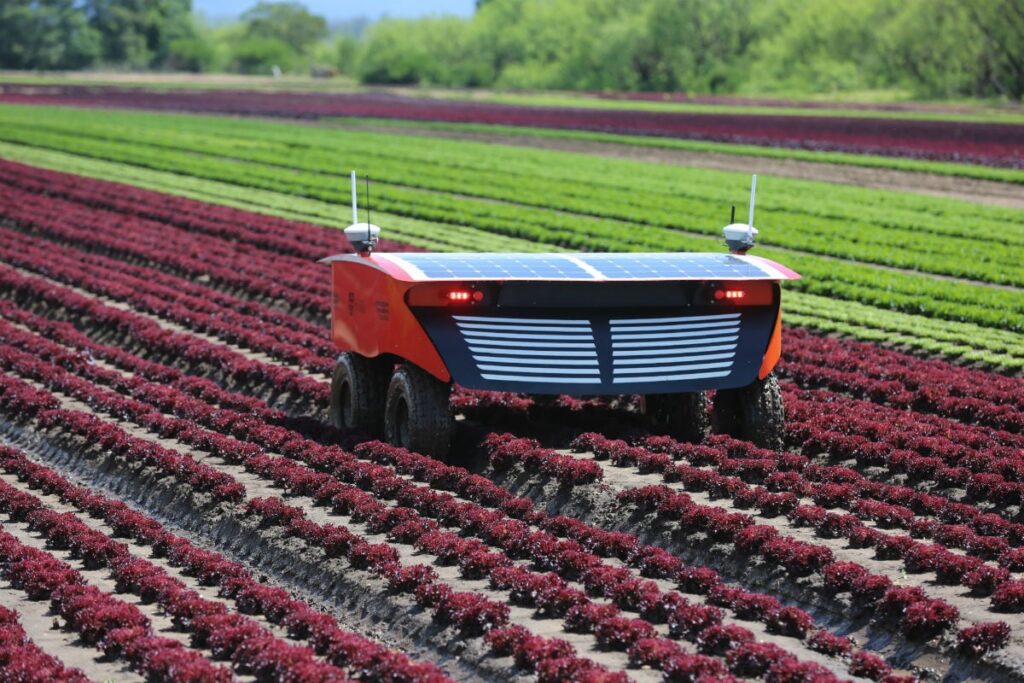
As climate pressures intensify and food demand rises, a new convergence is emerging at the heart of agriculture: regenerative practices and digital innovation. For farmers, this isn’t just a shift in technique — it’s a shift in mindset, powered by data.
Recent studies indicate that adopting regenerative and precision agriculture can deliver significant financial rewards. In some cases, profit margins have more than doubled over time. Scaling these practices to cover even 40% of global farmland could dramatically reduce the agricultural sector’s environmental footprint, strengthen the resilience of food systems, and create new opportunities for rural communities.
At its essence, regenerative agriculture means aligning with natural systems rather than working against them. What’s new is the growing toolbox of digital technologies — from drones and satellite analytics to real-time soil monitoring and AI-based forecasting — that help farmers apply these methods more precisely, more confidently, and more effectively.
Precision Meets Prediction
Smart farming platforms today do more than just collect data — they turn it into insights. Farmers can now integrate data from UAVs, satellite sensors, and digital soil maps to pinpoint early-stage issues like nutrient deficiencies, pest risks, or irrigation imbalances. This kind of precision minimizes input waste and maximizes land health.
Artificial intelligence is taking this a step further. By analyzing historical performance data alongside current field conditions, AI tools are helping growers make predictive decisions — not just reactive ones. This marks a fundamental evolution in farm management: one where insights are used to forecast yield, climate impact, and disease pressure before they happen.
The industry is responding fast. Global investment in AI for agriculture is expected to grow from $1.7 billion in 2023 to nearly $4.7 billion by 2028. At the same time, digital agriculture is projected to boost the agricultural GDP of low- and middle-income countries by over $450 billion annually — a 28% increase that could transform regional food economies.
Footage: Reuters
Policy and Ecosystem Support
Still, widespread adoption of regenerative agriculture and digital tools requires more than just farmer enthusiasm. Transitioning to new practices often demands specialized equipment, time, and a willingness to relearn decades of conventional wisdom. To ease this shift, coordinated policy action is vital.
Governments and global institutions must collaborate with agribusinesses and growers to design meaningful support programs — from financial incentives and tax breaks to technical training and research grants. Making carbon credit markets accessible to farmers could also unlock new revenue streams tied to sustainable land stewardship.
But enabling infrastructure alone isn’t enough. The broader agricultural ecosystem — including food retailers, processing firms, finance providers, and consumer brands — must align around shared incentives that reward sustainable outcomes. One recent example is a multi-stakeholder partnership aimed at making U.S. beef production more regenerative, involving Syngenta Group, McDonald’s USA, and Lopez Foods.
A Vision for Regenerative Intelligence
The future of agriculture will be defined not just by how we grow food, but by how intelligently we manage the systems that support it. AI and digital platforms won’t replace regenerative know-how — they’ll supercharge it. This technology gives farmers the tools to become climate actors, not just climate respondents.
At Future Farmer, we support the shift even knowing it may reduce demand for certain inputs. Why? Because our goal is long-term resilience — for ecosystems, for food security, and for the farmers who feed the world.
As regenerative methods continue to mature and AI becomes more deeply embedded into everyday farming decisions, we believe the next decade will bring unprecedented progress in productivity, resource efficiency, and ecological balance.
The transformation won’t be easy. But if farmers, researchers, technologists, governments, and consumers act together, we can shape a food system that sustains both people and planet.